


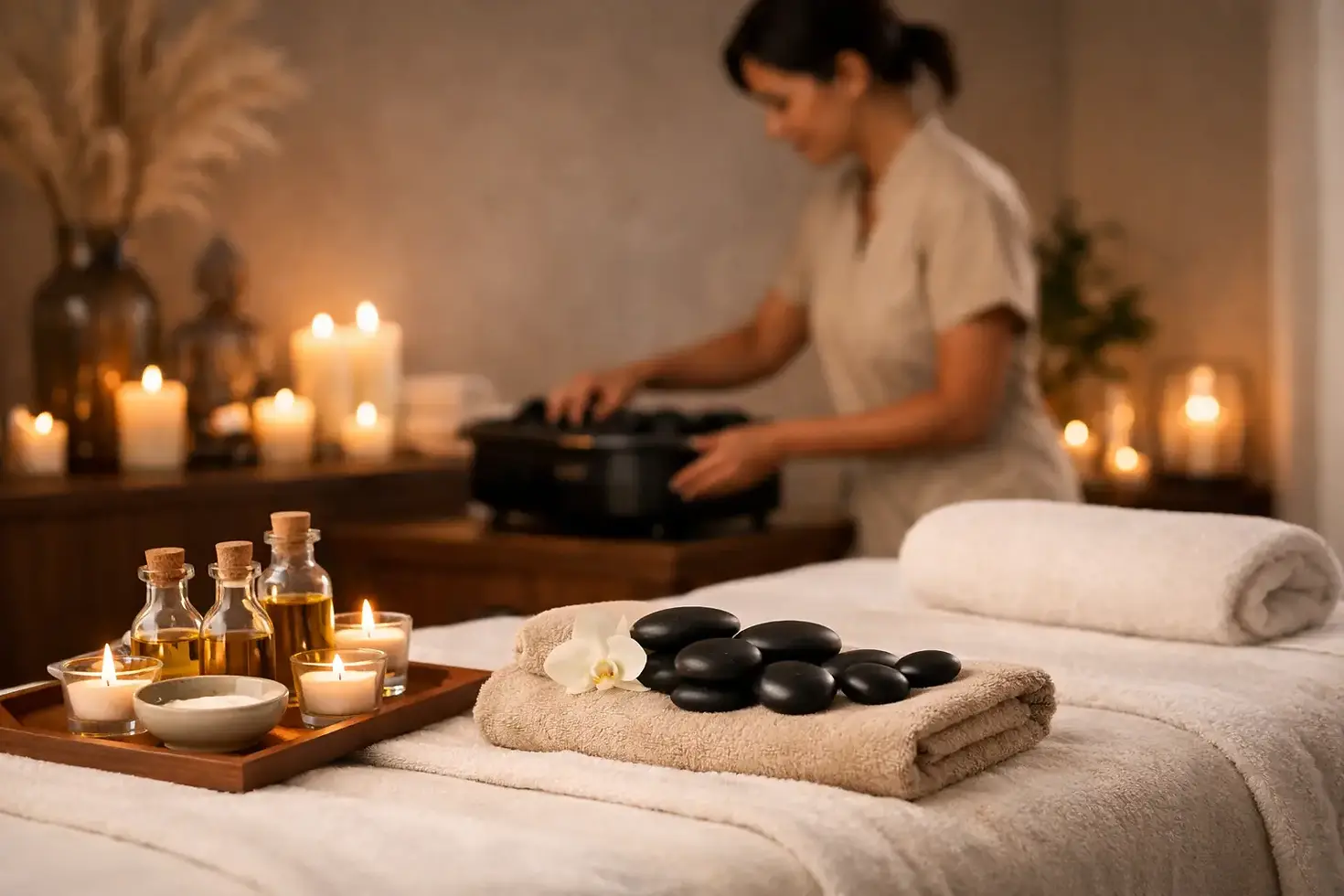
What Is a Signature Massage at a Luxury Spa?
After a morning on the water, a long flight, or simply too many days lived at full pace, an ordinary massage may not feel like enough. What is a signature massage? It is a spa’s most distinctive massage experience: a carefully composed ritual that brings together personalised touch, selected techniques, aromatic oils and thoughtful details in a treatment unique to that setting.
Rather than following one fixed method from beginning to end, a signature massage is designed to feel considered from the moment you arrive. The pace, pressure, areas of focus and sensory elements are chosen to create a more complete sense of ease. It is massage with a point of view - one that reflects the spa’s philosophy of restoration, balance and refined care.
What makes a signature massage different?
Swedish massage, deep tissue massage and hot stone massage generally describe a recognised style of bodywork. A signature massage is different because the name belongs to the spa. There is no single industry-wide formula. One spa may centre its treatment on flowing, rhythmic strokes and warm oils; another may combine therapeutic pressure with stretching, scalp massage or locally inspired botanicals.
That individuality is the appeal. A well-designed signature treatment is not simply a collection of popular additions. Each element should work together. The welcome, fragrance, massage sequence, pressure and finishing ritual are arranged to help the guest move from tension towards calm without feeling rushed or overly clinical.
At a luxury destination spa, the experience may also express a sense of place. Island-inspired aromas, nourishing body oils and a slower, unhurried rhythm can make the treatment feel connected to the surroundings, whether you are visiting after a day of sailing or seeking a quiet afternoon away from your itinerary.
It is tailored, but not entirely improvised
Personalisation is central to a signature massage, yet it should not mean that the therapist is starting from scratch. The treatment usually has a signature sequence and a clear intention. Your therapist then adapts it around you: perhaps lingering over the shoulders after travel, easing the calves after walking, or using lighter pressure when your body needs rest rather than intensive work.
This balance matters. Too rigid, and the massage can feel generic. Too unstructured, and it can lose the composed, enveloping quality that makes a signature ritual memorable. The best treatments retain their character while responding attentively to the person on the table.
What happens during a signature massage?
The experience normally begins with a brief consultation. You may be asked about your preferred pressure, areas of discomfort, recent activity, injuries, pregnancy, sensitivities and how you would like to feel when the treatment ends. This is not a formality. A few well-chosen details allow the therapist to shape the treatment responsibly and comfortably.
From there, many signature massages open with a settling moment, such as a warm towel, gentle breathing guidance, a calming aromatic inhalation or a soothing foot ritual. These details signal a transition: your next appointment, phone notification and travel plans can wait outside the treatment room.
The massage itself often uses long, connected movements to encourage relaxation, alongside more focused work where you hold tension. Depending on the spa’s approach, the therapist may incorporate gentle stretching, acupressure-inspired holds, warmed oils, scalp massage or attention to the hands and feet. A signature massage does not have to be deep to be effective. For many guests, moderate pressure paired with skilled, continuous touch offers the most restorative result.
The closing is equally considered. A few quiet moments after the final massage strokes, followed by water or herbal tea, help you return gradually rather than stepping straight back into the day. If you are enjoying the treatment at your private villa or aboard a yacht, this slower return can be especially welcome: there is nowhere else you need to be.
Is a signature massage relaxing or therapeutic?
Usually, it can be both, but the emphasis depends on the treatment and your needs. Signature massages are most often created around overall wellbeing: easing muscular fatigue, quietening a busy mind and leaving the body feeling lighter and more settled. They may include therapeutic techniques, but they are not necessarily intended as a highly targeted deep tissue session.
If you have one particular concern, such as persistent lower-back tightness or post-exercise soreness, tell your therapist before the treatment begins. They can advise whether the signature massage can be adapted or whether a more focused therapeutic massage would serve you better. Choosing the right treatment is not about selecting the most intensive option. It is about choosing the care that suits how you feel now.
Massage can support relaxation and temporary relief from everyday muscular tension, but it is not a substitute for medical assessment. Guests with an injury, fever, skin condition, recent surgery, circulatory concern or other health condition should share this information when booking. A thoughtful spa will adjust the service or recommend postponing it when appropriate.
Who is a signature massage best for?
A signature massage suits guests who want more than a functional treatment. It is particularly appealing when the goal is to feel cared for from head to toe, rather than to address only one muscle group. Couples on holiday, villa guests planning an unhurried afternoon and travellers recovering from a journey often appreciate its combination of customisation and indulgence.
It can also be an excellent first massage for someone unsure which modality to choose. Instead of needing to know the difference between every technique, you can describe what you need: deeper rest, lighter limbs, less neck tension, a clearer head. The therapist can then guide the experience accordingly.
For experienced spa guests, the value lies in the details. The quality of the consultation, the rhythm of the treatment, the products used and the care taken in transitions are often what distinguish a pleasant massage from one that stays with you long after you leave the room.
How to choose the right signature massage
Begin with the treatment description, but read beyond evocative names. Look for the duration, the style of pressure, any featured elements and the intended result. A 60-minute treatment may be ideal when time is limited; 90 minutes often allows more space for the therapist to work across the full body without sacrificing attention to your priority areas.
Then consider the setting. At The Lotus Centre Spa, a signature experience can be part of a serene spa day or brought to the privacy of your villa or yacht. An outcall treatment offers exceptional convenience, especially for groups or guests who prefer not to travel after their massage. A dedicated spa setting, on the other hand, can provide a fuller sense of retreat, with the pleasure of stepping completely away from your accommodation.
When reserving, be clear about what would make the experience feel successful. Mention if you prefer fragrance-free products, have a sensitivity, want firm pressure, are celebrating an occasion or would like to arrange treatments alongside a partner or group. These details help the spa prepare the experience with grace rather than making decisions in the moment.
A small ritual with a lasting effect
The most meaningful signature massages do not rely on excess. They create a feeling of being expertly attended to, through considered touch and an atmosphere that gives you permission to pause. Give yourself a little time afterwards, drink water, move slowly and let the calm travel with you into the rest of your island day.


Comments